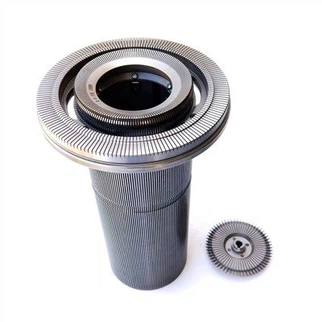
In the textile industry, sock knitting machines are essential production equipment used to manufacture high-quality socks. However, effectively troubleshooting common sock knitting machine issues and conducting regular maintenance are crucial to maintaining production efficiency. This article will focus on common sock knitting machine issues and their troubleshooting methods, along with a practical maintenance guide to ensure your machines run smoothly and achieve optimal production results.
Common Sock Knitting Machine Issues and Troubleshooting

Needle Bed Misalignment:
Issue: Needle bed misalignment can cause irregular sock knitting and affect the overall product quality.
Possible Causes: Loose or damaged needle bed fixing screws.
Solution: Check the needle bed fixing screws and ensure they are tightly secured.
Electrical Circuit Problems:
Issue: Electrical circuit issues can prevent the sock knitting machine from starting or operating correctly.
Possible Causes: Wire aging, poor connections, or damaged circuit boards.
Solution:Regularly inspect wires and connectors, replace aging wires promptly, and repair or replace damaged circuit boards.
Socks machine daily maintenance guide
Cleaning and Lubrication:
It is recommended to clean the machine daily after production to prevent fiber and other debris from accumulating inside the machine.
Regularly clean the machine's casing, needle bed, needle plates, yarn carriers, and other critical components to maintain cleanliness.
Selecting the Right Lubricant:
Use lubricants recommended by the manufacturer and follow their guidelines for regular replacements.
Different lubricants may be suitable for different lubrication points to ensure optimal lubrication efficiency.
Cleaning Methods:
Use soft cloth or brushes to clean the machine's exterior surfaces, avoiding the use of sharp tools to prevent damage to the casing.
Utilize specialized cleaning tools, such as needle bed cleaning brushes, to clean fiber and yarn remnants from the needle bed and needle plates.

Cleaning and Lubrication:
It is recommended to clean the machine daily after production to prevent fiber and other debris from accumulating inside the machine.
Regularly clean the machine's casing, needle bed, needle plates, yarn carriers, and other critical components to maintain cleanliness.
Selecting the Right Lubricant:
Use lubricants recommended by the manufacturer and follow their guidelines for regular replacements.
Different lubricants may be suitable for different lubrication points to ensure optimal lubrication efficiency.
Cleaning Methods:
Use soft cloth or brushes to clean the machine's exterior surfaces, avoiding the use of sharp tools to prevent damage to the casing.
Utilize specialized cleaning tools, such as needle bed cleaning brushes, to clean fiber and yarn remnants from the needle bed and needle plates.
Scheduled Inspection Plan:
Develop a regular inspection plan for the sock knitting machine, such as monthly or quarterly inspections, to detect potential faults and address them promptly.
Record maintenance and adjustment dates during inspections to track the machine's maintenance history.
By diligently adhering to this maintenance guide, you can ensure the stable operation of your sock knitting machines, prolong their lifespan, and achieve high-quality sock production. If you encounter complex issues during maintenance or require professional technical support, please feel free to contact us; we are dedicated to providing top-notch sock knitting machine equipment and technical assistance.